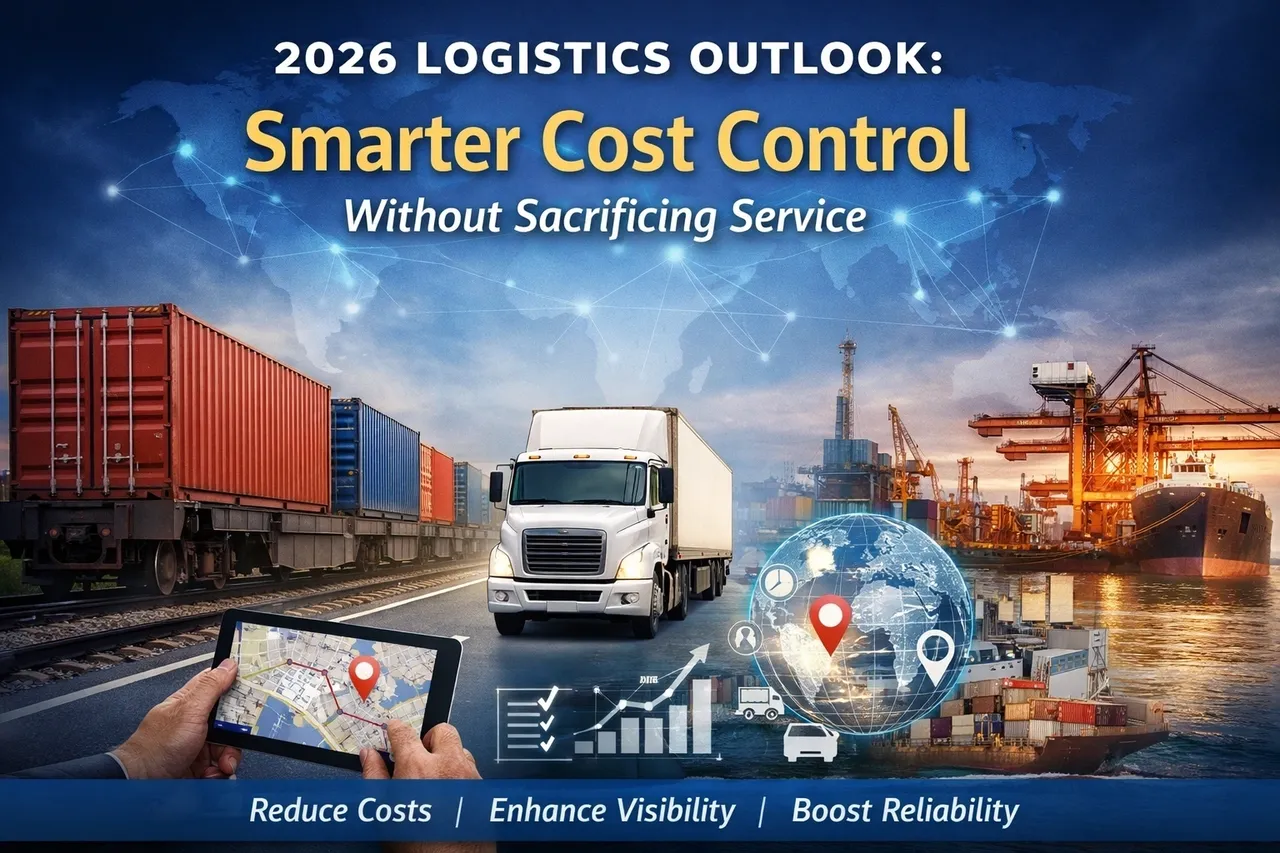
If the last few years have taught shippers anything, it’s that logistics rarely stays predictable for long.
As we move into 2026, many businesses are asking the same question: how can transportation costs be improved without creating service issues, missed deliveries, or unhappy customers?
The answer usually isn’t about finding the cheapest freight rate. It’s about building a smarter, more flexible logistics strategy that can adapt to changing market conditions.
Looking at Transportation Costs the Right Way
Effective cost control in logistics starts with understanding the full picture. While spot rates may look attractive when the market softens, the lowest rate does not always lead to the lowest overall transportation cost.
Late deliveries, unreliable capacity, detention, and unexpected accessorial charges quickly erase short-term savings. Shippers that are seeing long-term improvement are focusing on consistency, planning, and network design. When freight moves reliably and predictably, costs naturally stabilize.
Intermodal Transportation Continues to Gain Momentum
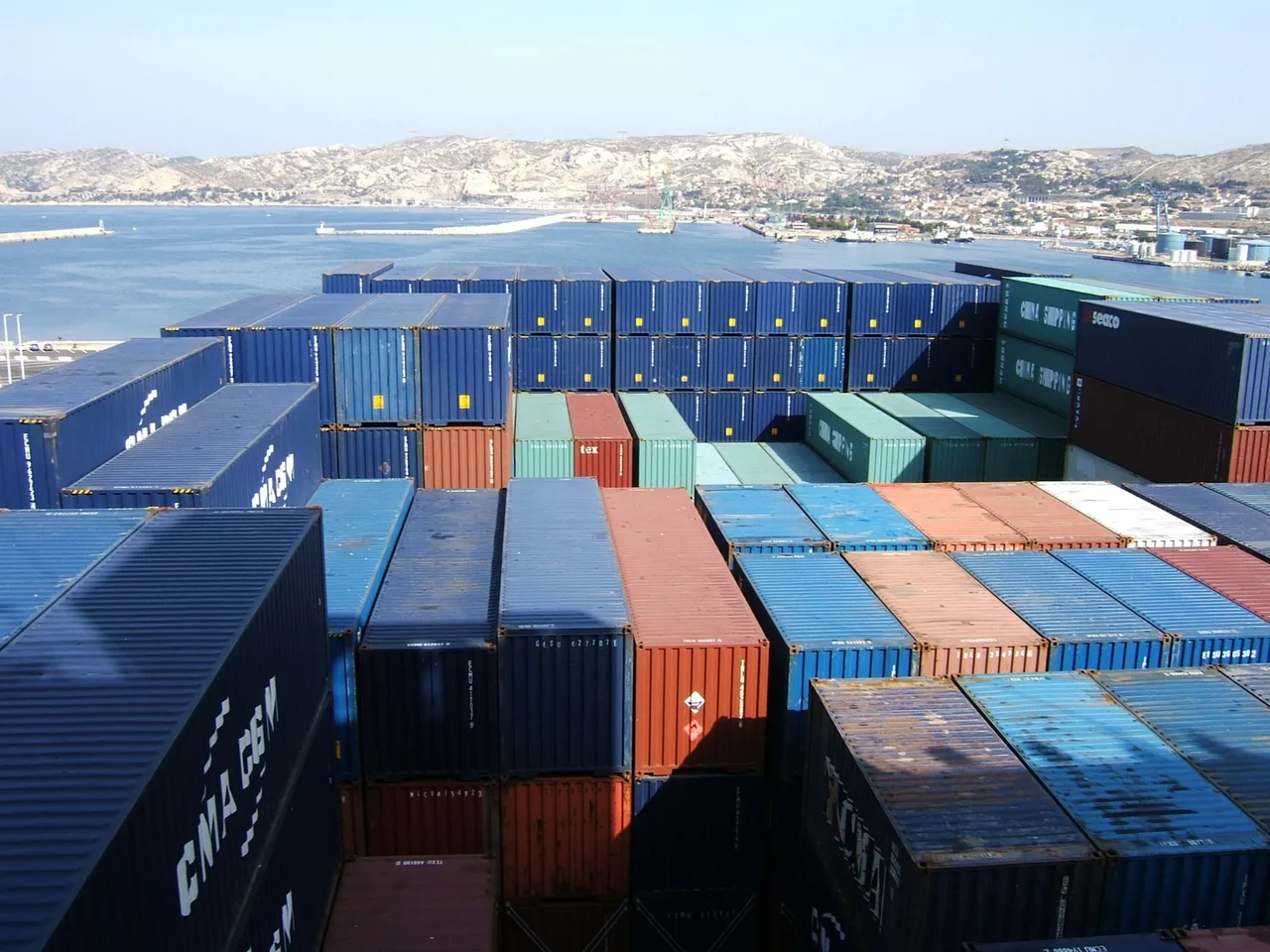
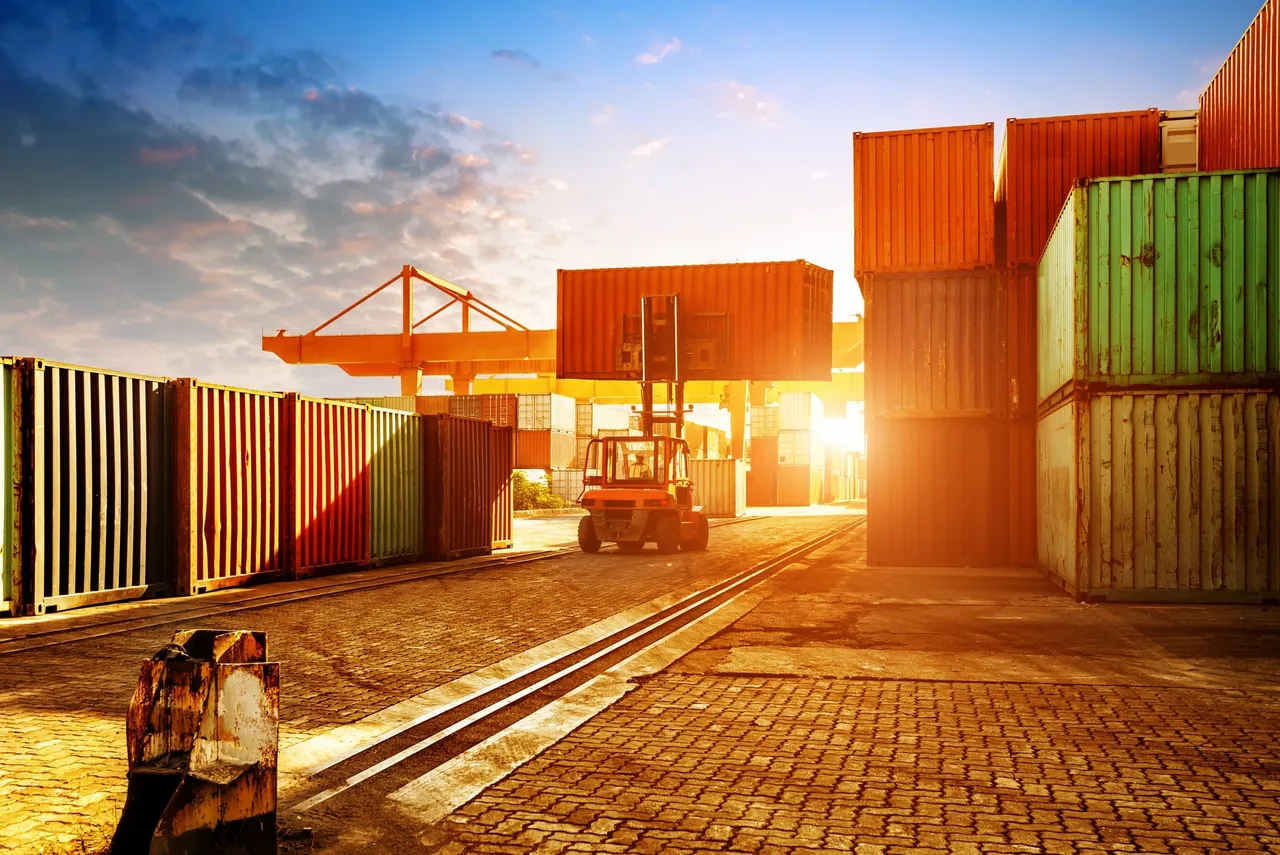
Intermodal transportation is no longer just a backup option when truck capacity tightens. For longer-haul lanes where transit time allows, rail intermodal has become a reliable and cost-effective solution.
In 2026, more shippers are integrating intermodal into their core transportation strategy. When planned correctly, intermodal helps improve cost efficiency, supports sustainability initiatives, and maintains service reliability across North America.
Real-Time Visibility Is Now a Standard Expectation
Shipment visibility has become a baseline requirement in modern logistics operations. Shippers expect real-time tracking, accurate ETAs, and proactive updates without needing to chase information.
While transportation technology enables visibility, proactive communication is what creates real value. Early notification of delays and active exception management allow shippers to make informed decisions before small issues become major disruptions.
Why End-to-End Logistics Partnerships Matter
Managing freight across multiple modes, regions, and borders adds complexity. As a result, many companies are simplifying their supply chains by consolidating providers and working with end-to-end logistics partners.
Having a single point of accountability from origin to destination reduces handoffs, miscommunication, and delays. Over time, this approach improves operational efficiency, reduces risk, and strengthens overall supply chain performance.
Preparing for Logistics in 2026 and Beyond
Logistics in 2026 is less about reacting to disruptions and more about planning for change. Shippers that perform best focus on visibility, reliability, and smart transportation network design rather than short-term rate savings alone.
If you are reviewing your logistics strategy this year, it may be worth asking whether your current setup is simply moving freight or consistently delivering dependable, efficient service.