
Behind the Win: Earning a Spot with a National Food Company
Securing new business is always a win — but earning the trust of a nationally recognized food manufacturer and distributor?…

The logistics industry is constantly evolving, driven by technological advancements, regulatory changes, and shifting market demands. As businesses seek more efficient and cost-effective transportation solutions, staying ahead of industry trends is crucial. Here are some of the key developments shaping the freight and logistics sector in 2025.
Artificial Intelligence (AI) and automation are transforming logistics operations by improving efficiency and accuracy. AI-powered route optimization, predictive analytics, and automated load matching help reduce delays and maximize cost savings. Expect to see increased adoption of AI-driven solutions for real-time decision-making in freight management.
With rising fuel costs and sustainability concerns, businesses are turning to intermodal transportation—a combination of rail, truck, and ocean shipping—to optimize supply chains. This mode of transport reduces costs, minimizes carbon emissions, and enhances efficiency, making it a preferred choice for many shippers.
Environmental responsibility is becoming a top priority in the logistics industry. More companies are investing in eco-friendly transportation solutions, including electric trucks, carbon offset programs, and fuel-efficient routing strategies. Governments and regulatory bodies are also implementing stricter emissions policies, pushing the industry toward greener alternatives.
Recent global disruptions have highlighted the need for stronger supply chain resilience. Companies are diversifying suppliers, increasing warehousing capacity, and leveraging real-time data to mitigate risks. The ability to quickly adapt to market fluctuations and geopolitical changes will be a key competitive advantage in 2025.
As supply chain complexities grow, many businesses are outsourcing logistics to third-party logistics (3PL) providers and freight brokers. These services offer flexible solutions, cost savings, and access to a vast carrier network, allowing businesses to streamline operations and focus on core functions.
Shippers now demand end-to-end visibility for their shipments. Digital freight platforms provide real-time tracking, automated updates, and data-driven insights, improving supply chain transparency and efficiency. Companies that adopt advanced logistics technology will gain a significant competitive edge.
With ongoing trade regulations and tariff changes, businesses must navigate complex cross-border logistics. Ensuring compliance, optimizing customs clearance, and leveraging efficient freight forwarding services will be essential for seamless international shipping.
At Colewin Logistics, we stay ahead of industry trends to offer end-to-end logistics solutions that improve efficiency, reduce costs, and ensure smooth supply chain operations. Whether you need intermodal shipping, freight brokerage, cross-border logistics, or 3PL services, we have the expertise and network to support your business.
Looking for a trusted logistics partner? Contact us today to learn more about our tailored freight solutions!
Securing new business is always a win — but earning the trust of a nationally recognized food manufacturer and distributor?…
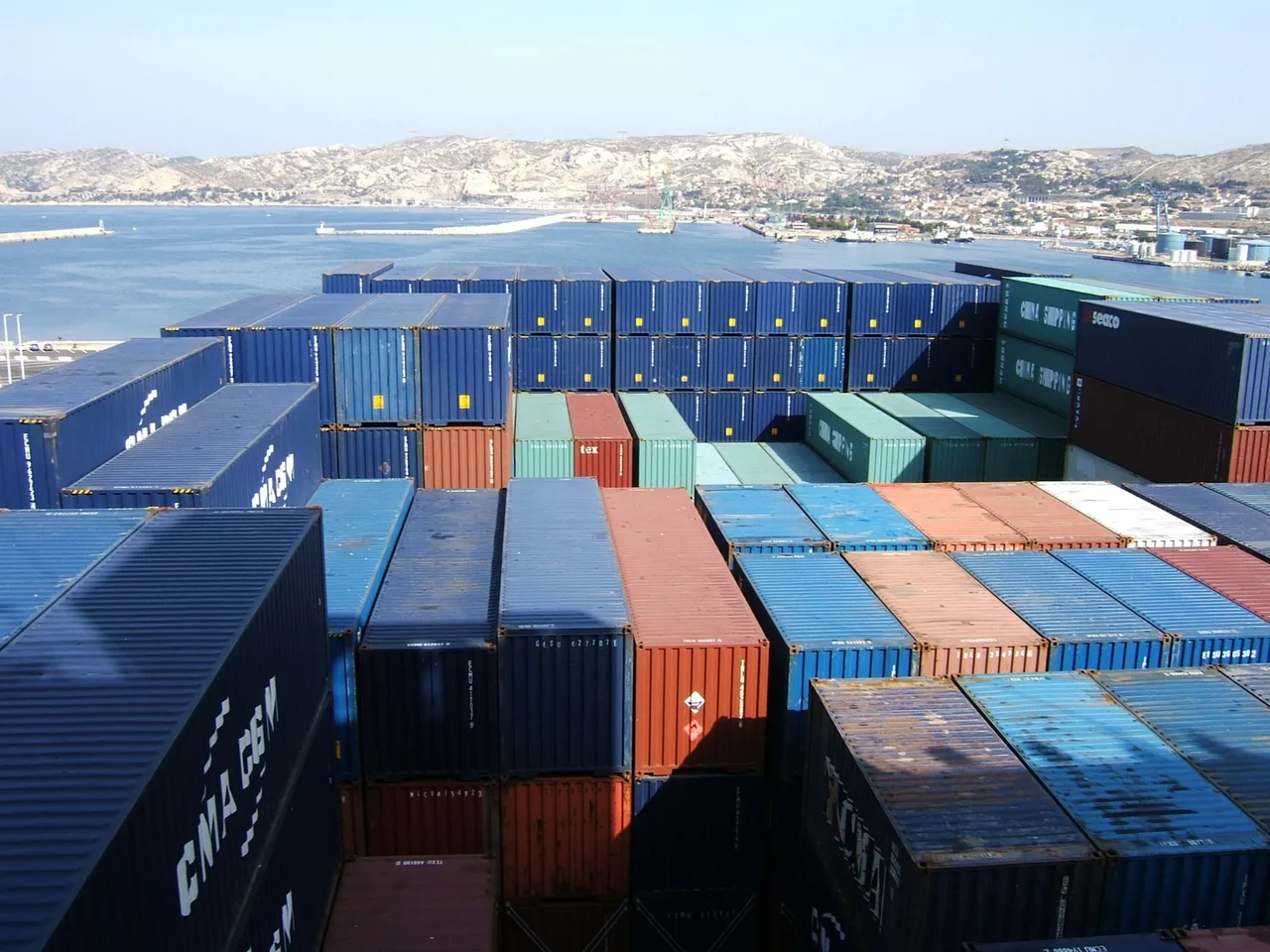
In today’s fast-paced and highly competitive marketplace, businesses can’t afford delays, inefficiencies, or unexpected costs in their supply chain. That’s…
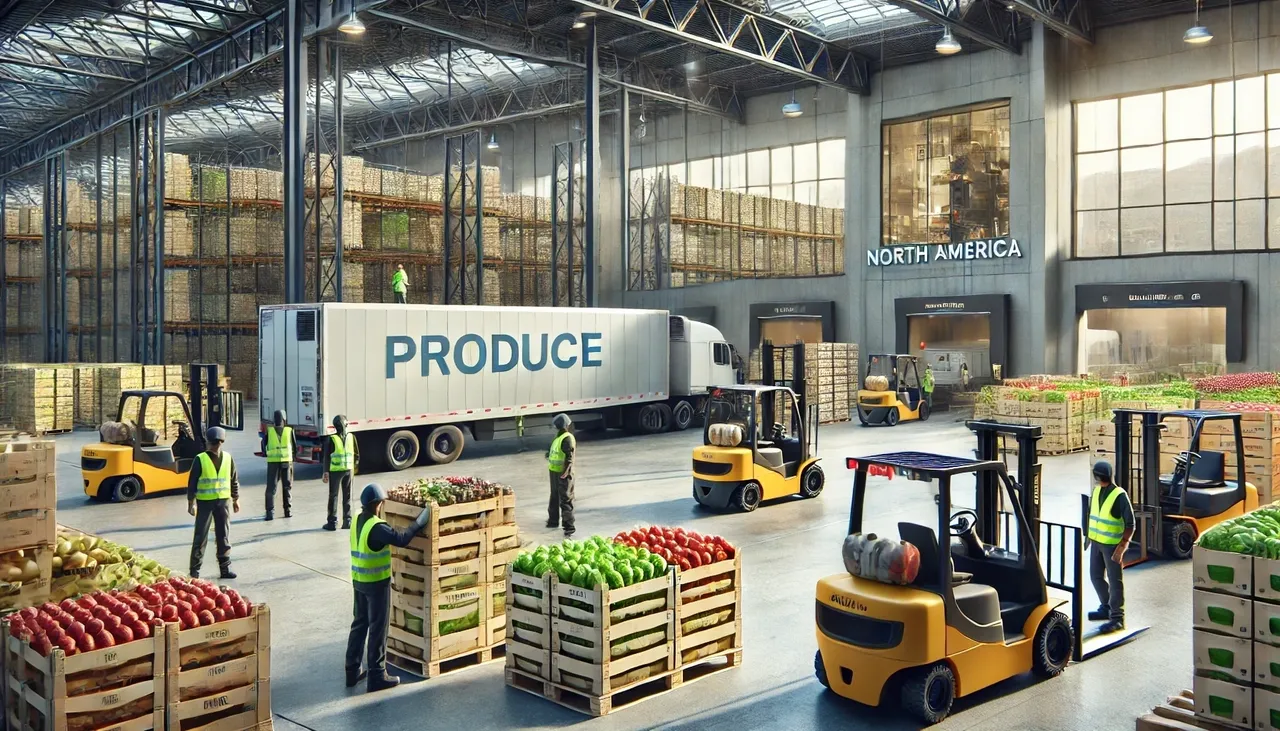
In the fast-paced world of fresh produce, efficient logistics play a crucial role in ensuring that fruits and vegetables reach…

In today’s fast-paced world, logistics is more critical than ever. With increasing consumer demands, businesses must adapt to the latest…
The logistics industry is constantly evolving, driven by technological advancements, regulatory changes, and shifting market demands. As businesses seek more…
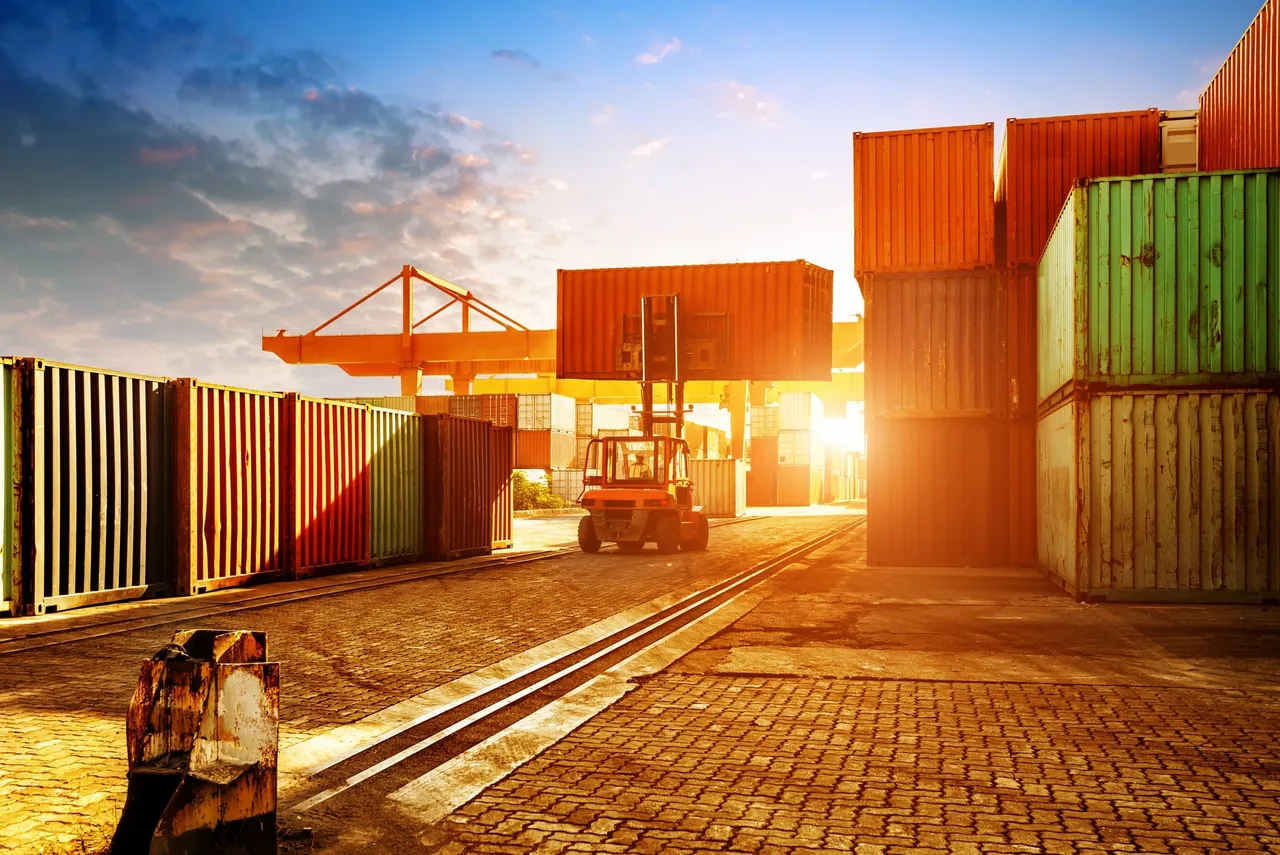
The Role of Freight Brokerage in Modern Logistics In today’s fast-paced supply chain environment, businesses require seamless and cost-effective transportation…